Best Apps for Romantic Travel

Every incredible journey begins with a spark of an idea. It’s the daydream of a sun-drenched beach, the thrill of a bustling foreign city, or the peace of a secluded mountain cabin. But turning that romantic daydream into a reality involves a process that can feel anything but romantic: budgeting, booking flights, comparing hotels, and coordinating schedules. For many couples, the sheer overwhelm of planning can stall a potential trip before it even starts, or worse, create stress and conflict.
But what if the planning process itself could be an exciting and intimate part of the adventure? What if, instead of a chore, it became a collaborative project that builds anticipation and strengthens your teamwork? A well-planned trip is the foundation for a stress-free, unforgettable experience. When you have a clear roadmap, you eliminate the guesswork and anxiety, freeing you both up to simply enjoy the journey and each other.
This isn’t about creating a rigid, minute-by-minute schedule. It’s about building a solid framework so you have the freedom to be spontaneous. This step-by-step guide will demystify the process, turning the chaos of planning into a fun and seamless blueprint for your perfect trip for two.
Before you even open a travel booking website, the most important step is to get on the same page. The “perfect trip” looks different for every couple, so the first phase is all about dreaming and aligning your desires. This is the fun, imaginative part of the process. Set aside some dedicated time, pour your favorite drinks, and create a “no-bad-ideas” zone.
The goal of this session is to answer four key questions:
Money is one of the biggest potential stressors in both relationships and travel. Addressing the budget head-on, with complete transparency, is the most critical step for a conflict-free trip. A clear budget is not a restriction; it’s a tool that gives you freedom and clarity, allowing you to make decisions based on a shared reality.
To create your budget, first agree on a total amount you are both comfortable spending on the trip. This is your “all-in” number. From there, you can break it down into the major spending categories. A simple spreadsheet or a shared note is perfect for this.
Your travel budget should include these key categories:
To maximize your budget, research the best travel deals, consider using a travel credit card with points, and be flexible with your travel dates if possible.
Once you have a destination and a budget, it’s time to make it real. This is the phase where you lock in the core components of your trip. Dividing these tasks between you can make the process more efficient and collaborative.
Here is a logical workflow for your bookings:
This step is where you bridge the gap between the planner and the spontaneous partner. A perfect couple’s itinerary is not a rigid, minute-by-minute schedule. It’s a flexible framework that provides structure while leaving plenty of room for magic, discovery, and simply relaxing.
A great approach is to schedule one or two “anchor” activities for each day—a morning museum visit, an afternoon hike, or an evening dinner reservation. This gives your day a sense of purpose and direction. The time around these anchor points is left open for you to wander, explore a neighborhood you stumble upon, or just sit at a café and people-watch.
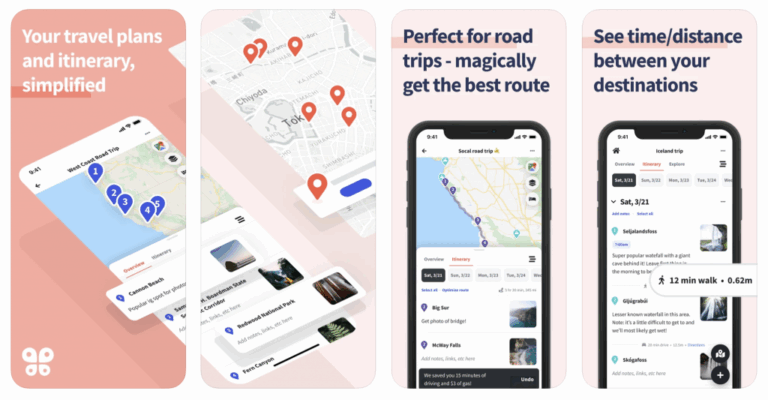
To keep everything organized, create a shared digital itinerary. This can be as simple as a Google Doc, or you can use a dedicated travel app like TripIt, which automatically organizes your booking confirmations. A shared Google Map with pinned locations of your hotel, restaurants, and sights is also an incredibly useful tool that you can both access from your phones.
The week leading up to your departure can be hectic. Having a final checklist ensures that no small details fall through the cracks, allowing you to leave for your trip feeling relaxed and fully prepared.
Your final countdown checklist:
The perfect trip for two doesn’t happen by accident; it happens by design. The planning process, when approached as a collaborative and exciting project, is the first step of the journey itself. It’s an opportunity to practice communication, compromise, and teamwork—the very skills that will make your actual trip a resounding success.
By working through these five steps together, you build more than just an itinerary; you build a shared sense of ownership and anticipation. You transform the potential stress of planning into a bonding experience. So, use this guide to start designing your next great adventure today, and you’ll discover that the magic of the journey begins long before you ever leave home.